
Understanding Play Therapy: A Path to Healing for Children

When we think about child development and mental health, one approach stands out: play therapy, particularly Child-Centered Play Therapy (CCPT). This non-directive, developmentally appropriate method offers children a safe space to express themselves, heal, and grow. Let’s dive deeper into the principles of CCPT, its therapeutic benefits, and the vital role parents play in this journey.
If you would prefer this content in a video format, listen in on the conversation between Jonathan Kittel, LPC/S, LMFT/S and Margaret Kay Ko Brooks, LPC here. Margaret Kay speaks out of her wealth of experience working with children of all ages.
What is Child-Centered Play Therapy?
Child-Centered Play Therapy (CCPT) is an effective therapeutic technique for children ages ten and under. At its core, CCPT is about the relationship between the therapist and the child. This connection is the “healing crux” that makes this technique effective, where safety and trust create an environment conducive to healing. Rather than jumping straight into teaching skills or correcting behaviors, CCPT acknowledges that children possess an innate ability to heal through play. It puts the child in the “driver’s seat” as the therapist engages with them using a variety of approaches.
Play is more than just a pastime for children; it’s their primary language. By engaging in unstructured play, children can explore their feelings, process experiences, and express their emotions in a way that feels natural to them. Just as our bodies have a natural mechanism for healing when we scrape a knee or get a papercut, children can heal emotionally through play. CCPT helps facilitate growth in children through a structured environment designed to support their innate ability to heal and recover.
The Role of Play in Counseling
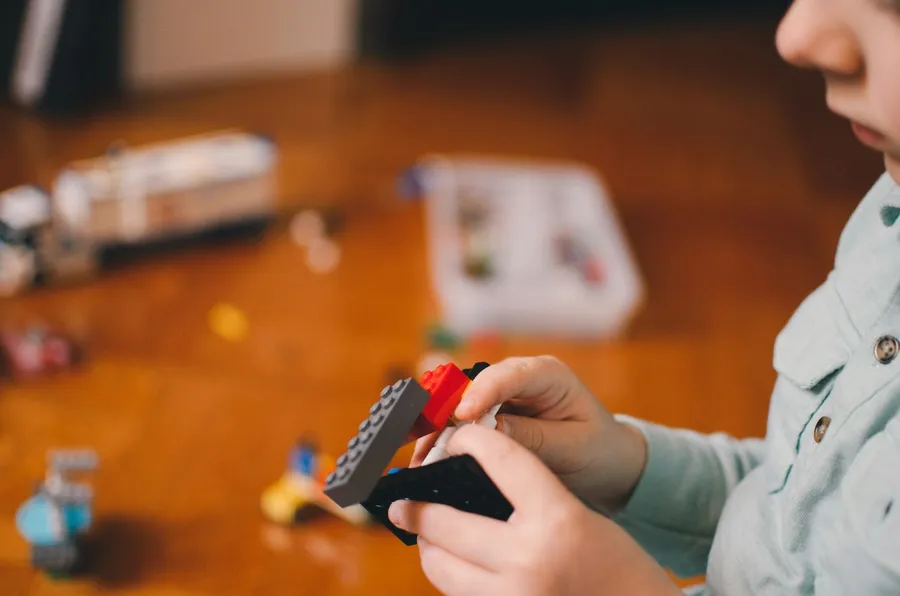
In CCPT, the play environment is structured, but the play itself is unstructured. Children lead the play, choosing how to interact with the toys and materials provided. This freedom is essential, as it allows them to explore their feelings and experiences without the constraints of adult expectations.
For instance, a child might reenact scenarios reflecting their fears or struggles, using toys as symbols of their feelings. The therapist’s role here is non-directive: observing, reflecting emotions, and providing a safe space for the child to navigate their thoughts and feelings.
What is the counselor’s role in play therapy?
- Reflective Listening: The counselor reflects back to the child what they observe, helping the child feel seen and understood. For example, a child experiencing anxiety may play with their back turned to the therapist and not feel comfortable exploring all of the toys. Rather than the counselor forcing the child to turn around and engage with them at that moment, they may say, “It seems like you feel more comfortable playing by yourself right now.” Validating the child’s emotions helps grow the therapeutic relationship by building trust.
- Limit Setting: While children enjoy the freedom to express themselves in counseling, they also need boundaries. Therapists help children understand consequences of their choices, fostering responsibility and self-awareness.
- Encouragement: Therapists provide positive reinforcement, helping children build confidence in their abilities, whether they succeed or face challenges during play. The therapist may point out that the child is smiling, that they’re proud of what they created, or that the child didn’t give up even when something didn’t turn out how they hoped.
- Providing Choices: Therapists help children understand the consequences of their choices. For example, a child may decide in therapy that they want to paint. In order to paint, they must wear a smock. Some kids don’t like to wear the smock – so they have to make a decision. You’re providing them with choices, but those choices have limits.
- Returning Responsibility: Counselors encourage children to take responsibility for their own choices in a safe, controlled environment. Some children will enter the therapy room and immediately ask, “What do I do?” In this context, they get to decide. It’s on them! Children may ask for help as soon as they hit a challenge during play, but the counselor returns the responsibility back to the child by saying, “This is really hard for you, but this is something that I think you can figure out by yourself.” This empowerment helps them understand that they have the tools to navigate difficult situations and emotions.
Common Challenges Addressed Through Play Therapy
CCPT can effectively support children facing various challenges, including:
- Anxiety and Fear: Children often struggle with anxiety, and play therapy provides a safe space for them to express and work through these feelings.
- Grief and Loss: Kids process grief differently than adults, and play therapy offers them a way to navigate their emotions in an age-appropriate way.
- Behavioral Issues: Many children act out as a response to feeling misunderstood. As parents, we may think our child is acting out intentionally but their behavior is often a result of them trying to make sense of something that’s bothering them. CCPT allows them to express underlying emotions leading to these behaviors, which can then impact the behavior itself.
By fostering an environment of unconditional positive regard, therapists help children feel accepted, paving the way for emotional healing.
The Role of Parents in the Therapy Process

Parents are integral to the play therapy process. At Wellspring, therapists begin with a parent-only session to explain CCPT and set the stage for collaboration. After several sessions, the therapist meets with parents again to discuss progress and equip them with tools to strengthen their relationship with their child.
Parents are encouraged to be present with their children —both physically (getting on their level, looking them in the eye) and emotionally (validating them, engaging in play). This means being intentional, putting away distractions, and truly being attentive to their child. The ultimate goal is to empower parents to foster healthy, healing relationships with their children. Children can sense whether or not their parents are truly experiencing joy in their interactions with them, and this is something we want to cultivate.
What Parents Should Know
While play therapy may not provide a quick fix for every issue, it offers invaluable tools for enhancing parent-child relationships. The process can lead to a deeper connection and understanding, helping children feel secure and valued.
Ultimately, the journey through play therapy is not just about addressing specific problems but about nurturing the bond between parent and child. The skills learned can transform interactions, making it easier for children to express themselves and feel that they have a safe connection with their parents.
Play therapy serves as a powerful tool for healing, allowing children to navigate their feelings in a safe and supportive environment. By prioritizing the therapeutic relationship and engaging parents in the process, CCPT paves the way for lasting emotional growth and resilience in children.

Reach Out to Wellspring for your Play Therapy Questions
If you have questions about our play therapy services or think play therapy would be impactful for your family, don’t hesitate to reach out to our office. We provide child counseling in our office near Greenville, SC. You can read about our team of counselors online our call our Intake Coordinator at 864-214-2084 Option 1 to talk about your options.