Trauma, the Brain, and Accelerated Resolution Therapy (ART)
What happens to the brain during trauma – and how can we heal? Jonathan sat down with Wellspring counselor Becky Hecht in our recent podcast episode to explore the deeply personal and biological experience of trauma, how it reshapes the brain, and how innovative treatments like Accelerated Resolution Therapy (ART) are helping people find real relief.
Whether you’re a survivor of trauma, a mental health professional, or simply curious about how healing works, this conversation offers insights grounded in compassion, science, and hope.
What Is Trauma and Why Does It Affect People Differently?
Trauma isn’t just about what happened. It’s about how your brain and body responded to what happened. Trauma is an experience, or series of experiences, that a person has encountered that overwhelms their ability to cope. It leads to emotional dysregulation and gets stored differently in the brain and body.
What’s traumatic for one person might not be for another. This subjectivity is rooted in vulnerability and personal context. A shared event – like a car accident or natural disaster – can affect individuals in vastly different ways based on their past experiences, support systems, and nervous system responses.
How Trauma Impacts the Brain
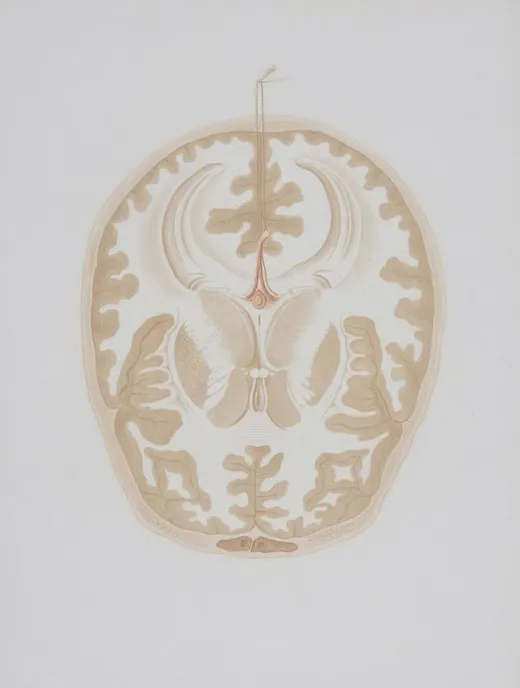
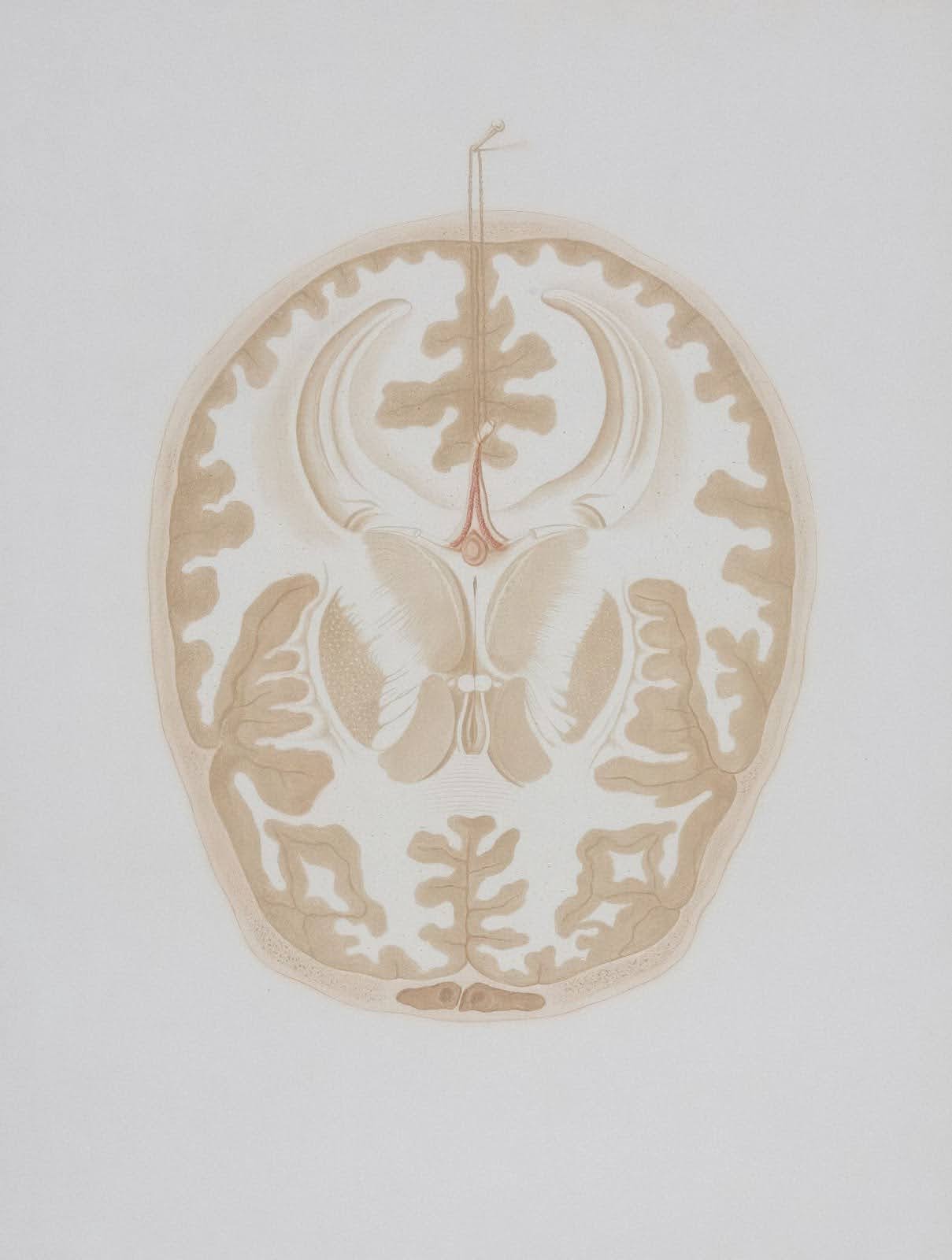
When a traumatic event occurs, our brain’s fear circuitry is activated. The prefrontal cortex, which governs logic, reasoning, and decision-making, goes offline. In its place, the amygdala (our brain’s built-in alarm system) takes over.
Your amygdala is like a warrior – looking out for danger from a watch tower. But when your prefrontal cortex isn’t activated, your amygdala can’t tell the difference between actual danger and a perceived danger.
This is why trauma survivors may feel unsafe even when they are objectively safe. Everyday triggers – smells, sounds, faces, or even locations – can activate that same alarm system, leading to anxiety, panic, or dissociation. These reactions are often unconscious, and the work of trauma therapy is to help individuals become more aware of and in control of them.
Trauma Lives in the Body
One of the most important shifts in trauma research and treatment is the understanding that trauma isn’t just stored in memories – it’s stored in the body.
During trauma, the hippocampus – the part of the brain that processes and organizes memories – may not function properly. As a result, the brain fails to record the event like a normal memory. Instead, it stores fragmented images, sensations, and emotions in the body.
This can lead to symptoms like:
- Hypervigilance or scanning the environment constantly
- Strong startle responses
- Flashbacks or intrusive images
- Emotional reactivity
- Feeling unsafe without knowing why
- Emotional dysregulation
Introducing Accelerated Resolution Therapy (ART)

Accelerated Resolution Therapy (ART) is a newer, evidence-based approach that offers hope and healing for trauma survivors – without requiring them to retell their story in detail.
Despite being referred to as “ART Therapy,” it’s not painting or creative expression. It’s a structured approach that uses eye movements to activate both sides of the brain, calming the nervous system and allowing the brain to process trauma in a new way.
How ART Works
ART uses bilateral eye movements – similar to EMDR – to help clients bring forward distressing events or scenes and process them without becoming overwhelmed. This calms the parasympathetic nervous system, slowing heart rate and breathing, and allows the brain to safely revisit the memory.
Clients then replace the emotional distress associated with an event with a new, more empowering image or perspective – such as a future, stronger version of themselves. The memory remains, but the pain attached to it is reduced or eliminated.
ART vs. Traditional Trauma Therapy
In older models of trauma therapy, clients were often encouraged to retell the traumatic event repeatedly: an approach that could lead to re-traumatization for some people.
Modern trauma therapies, like ART, understand that healing must include the body. It’s not enough to simply talk about trauma; we need to integrate the emotional and physiological responses that remain stuck.
ART offers a non-invasive, fast, and empowering option. Clients don’t have to share details of their trauma unless they choose to. The focus is on giving the brain the tools and space it needs to reprocess and release what’s been held onto for too long.
A Therapist’s Role in Trauma Recovery
Contrary to some misconceptions, therapists aren’t “doing” something to their clients in ART. Instead, they’re providing a safe, regulated environment where healing can unfold naturally.
“You’re giving people the space, tools, and relationship they need to let their own brains do the work,” Becky says.
Final Thoughts: You’re Not Broken, You’re Surviving
If you’re struggling with the effects of trauma, it’s important to know:
- Your brain and body did what they had to do to survive.
- You can heal.
Be kind to yourself. Meet yourself with the same empathy you’d offer someone else. And when you’re ready, reach out to a therapist trained in trauma-informed care – someone who sees your strength and can walk with you on the path to healing.
Interested in Learning More?
At Wellspring, our team of compassionate, trauma-informed therapists – including Becky Hecht – offers a variety of approaches to help you heal. Whether you’re interested in Accelerated Resolution Therapy (ART) or want to explore other supportive paths, we’re here for you. You can learn more about trauma recovery or contact us today to schedule a consultation.