Food Without Fear: Feeding the Body and the Mind

This blog is inspired by a conversation between Margaret Kay-Ko Brooks and Jonathan Kittel with registered dietitian Julie Vaughan. Julie is the owner of Greenville Nutrition Therapy.
When it comes to healing from an eating disorder, one thing is clear: no single person can do it alone. Whether someone is struggling with disordered eating patterns, body image concerns, or a full-blown eating disorder, the best care comes from a team approach. This often includes therapists, dietitians, psychiatrists, and primary care providers—all working together to help individuals rebuild their relationship with food and their bodies.
Understanding the Levels of Eating Disorder Care
Not every person with an eating disorder needs the same type of care. Recovery is not one-size-fits-all. Depending on severity, support systems, and individual needs, treatment can take many forms:
- Outpatient Support – Regular weekly sessions with a therapist or dietitian (or both), suitable for those with mild symptoms and strong support at home.
- IOP (Intensive Outpatient Program) – About 3 hours a day, three days a week. IOP is more structured and can offer group therapy, meal support, and skill-building.
- PHP (Partial Hospitalization Program) – Despite the name, you’re not hospitalized. PHP typically takes place at a hospital or clinic during the day, but you return home at night. It provides more intensive daily care while allowing clients to stay connected to their communities and families. Julie Vaughan is currently working with Prisma Health to bring such a program to the Upstate area.
- Residential Treatment – A live-in environment where clients receive round-the-clock care for more severe or complex cases.

The Connection Between Nutrition and Mental Health
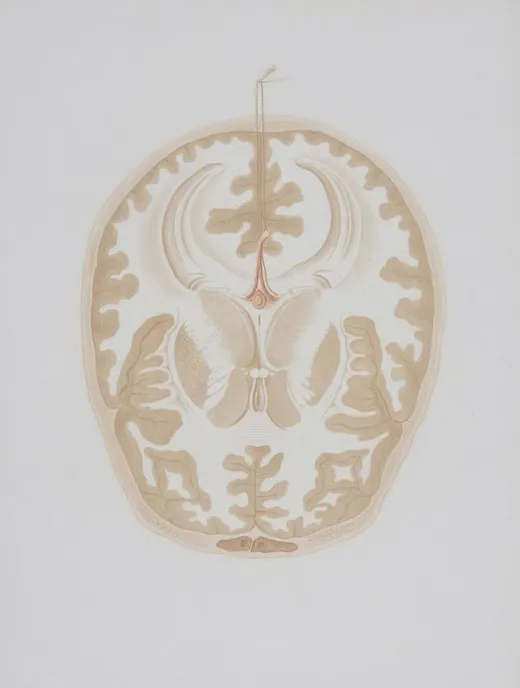
It’s easy to forget that the brain is an organ – and like every organ, it needs fuel. Malnourishment can deeply affect mental health, interfering with emotional regulation, decision-making, and energy levels. In fact, many people don’t eat well because they feel anxious or depressed, yet eating well is often part of the path back to mental wellness.
When we feed our bodies appropriately, we support our emotional health. Proper nutrition helps stabilize mood, improve sleep, and regulate stress hormones.
Why Eating Disorders Are So Common
One major factor behind disordered eating is our cultural fixation on body image. Many people – especially adolescents – feel that their value is tied to how they look. During times of physical change, such as puberty, postpartum, or aging, this pressure can intensify.
As Julie Vaughan pointed out in the conversation, our bodies are meant to change. It’s unrealistic (and unhealthy) to expect we’ll maintain the same weight throughout every life stage – especially after major milestones like childbirth or aging.
Sleep, Stress, and Under-Fueling: A Vicious Cycle
Lack of nutrition impacts more than just mood – it affects sleep, too. Most people who are under-fueled experience sleep disturbances. Poor sleep can then fuel more anxiety, creating a difficult cycle that becomes harder to break without targeted support.

What a Healthy Relationship With Food Looks Like
Food is not just fuel—it’s also connection, joy, celebration, and culture. We engage with food 4 to 7 times a day, making it a huge part of our daily lives. But for people who have an unhealthy relationship with food, meals become a source of stress, guilt, or obsession.
Here are signs of an unhealthy relationship with food:
- You feel stressed when eating or planning meals.
- You constantly think about food throughout the day; you aren’t able to just eat a meal and continue on with work / school / etc.
- You avoid social events because of the food being served.
- You can’t eat a treat like ice cream at your child’s birthday party without any number of thoughts or questions coming to mind.
A healthy relationship with food allows you to enjoy meals, be flexible, and connect with others without guilt or obsession.
Understanding ARFID
Avoidant/Restrictive Food Intake Disorder (ARFID) is an eating disorder often seen in individuals with sensory sensitivities, including those with autism. People with ARFID might eat only foods of a certain texture or color, or avoid foods due to past traumatic experiences like choking. Unlike some eating disorders, ARFID is not about body image – it’s about fear or discomfort around food itself.
What Can Parents Do to Support Their Kids?

Parents play a powerful role in modeling a healthy relationship with food. Here are some tips:
- Observe your child’s behavior around food. Restriction, weight loss, or obsessive talk about food or body image are red flags.
- Examine your own relationship with food and how you talk about bodies at home. Think about the foods you eat at home and what message they’re communicating to your kids.
- Focus on nourishment, not numbers. Children should not be focused on losing weight.
- Consider reading Intuitive Eating – a book that offers a helpful chapter called “Raising an Intuitive Eater.”
Ultimately, our bodies are trustworthy. When we learn to listen to them with kindness and care, healing becomes possible.
If you or someone you love is struggling with disordered eating, please reach out to a qualified mental health professional and a registered dietitian. Healing is possible—with the right support. Collaboration is key in rebuilding your nutrition, developing meal plans and addressing the emotional and cognitive struggles that come with disordered eating. Ideally, these professionals work in tandem to support full recovery.
Learn more here about how counseling for anxiety works at Wellspring, or how we work with children and teens. You can also contact our Greenville, SC counseling office with any general questions.